MENU

Text Sara

(512) 888-1011

Text Marc

(512) 940-5525

Text Coral

(512) 574-9144

Text Roxy

(512) 779-1396

Text Eagle

(505) 557-8016

Category: Infidelity

Advice on Divorcing a Narcissist

Divorcing a narcissist is brutal, there’s really no way around it.  Divorce often destabilizes the narcissist’s fragile sense of self, which can sometimes result in a narcissistic collapse, which is dangerous for their partner.  If it’s possible, it can be good to see if you can get the narcissist’s buy in, so that eventually they may believe the divorce was their idea. Narcissists can’t handle the rejection, which will make you enemy number one.  They often split on people, similar to borderline personality disorder, where the narcissist turns their partner from all good to all bad.  In other words, you’re either for them or against them, they can’t tolerate anything in the middle.

So, before letting the narcissist know your plans, it’s best to get ahead of things.  It’s important to make sure you have the money ready for first and last months rent way before you need it, as well as money to retain a good divorce attorney that is well versed in narcissism, as well as any incidentals, until you can get temporary orders in place.

If you own property/a home together, do not be the first one to move out, otherwise many states may consider that abandonment, which could cost you in the long run. If you need to move out due to domestic violence (DV), make sure you log any past DV with a family doctor or law enforcement.  This evidence will be important to you, especially if you go to court.

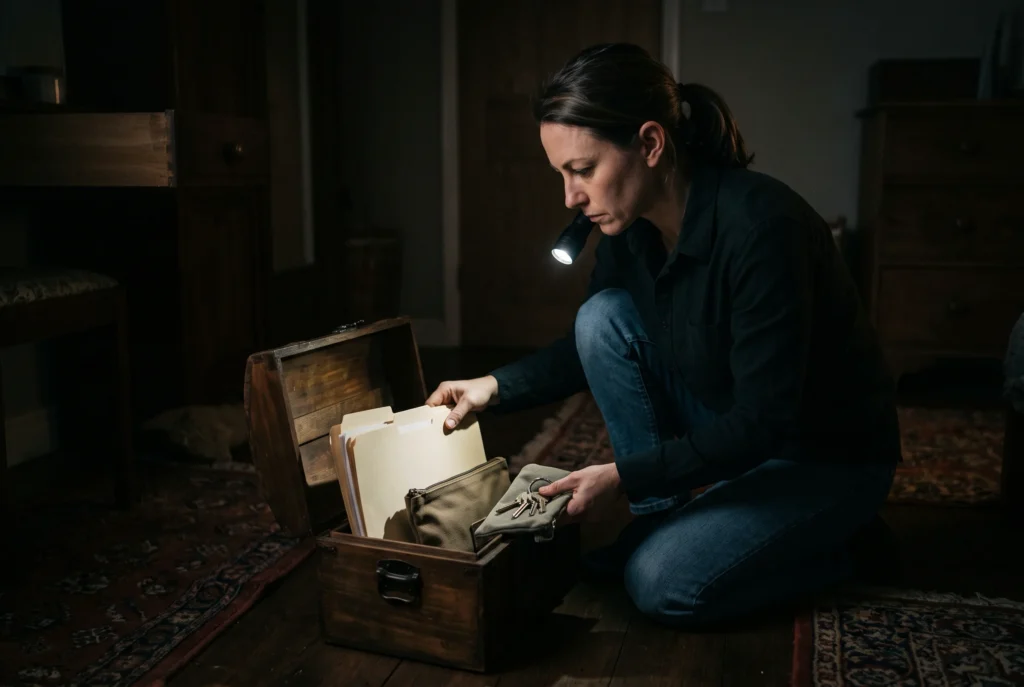
Take care of any family heirlooms or other sentimental pieces.  Move them out of the home and into a safe place, so the narcissist can’t retaliate by destroying them.  It’s not uncommon in divorcing a narcissist, for them to try to take or destroy anything you care about, simply so you don’t get to have it.

If you have children, make sure you find  a good family therapist that is familiar with narcissism and isn’t afraid to take sides in court.  Many therapists refuse to take sides, which allows the court to assume both sides are equal, which down plays the reality of the situation.  Unfortunately, many therapists fear a narcissist’s retaliation, which is not unfounded.

A good rule of thumb is to delete anything on your phone or any other electronic device that you don’t want being read aloud in court, because once you’ve filed for divorce, deleting information after filing can get you in trouble with the judge.

It’s important that you get copies of your past tax returns and any other financial information before you file, so that money doesn’t disappear without a history to track it.

If you suspect your narcissistic partner is cheating, or if they’ve accused you of cheating, it’s worth checking your bank statements for evidence. It’s incredibly common for narcissistic men to go to strip clubs, massage parlors with happy endings, sugar babies and sex workers in general.  To catch this, look for sums of $200, $1000, and $2000, usually pulled from an ATM usually after midnight or 2:00am.  Then, call the number attached to find the location of the ATM, which will often be at the establishment in question (strip club, massage parlor, hotel). If you can prove that the funds were used for one of these purposes, the money spent will go into your financial column at the end of the divorce.

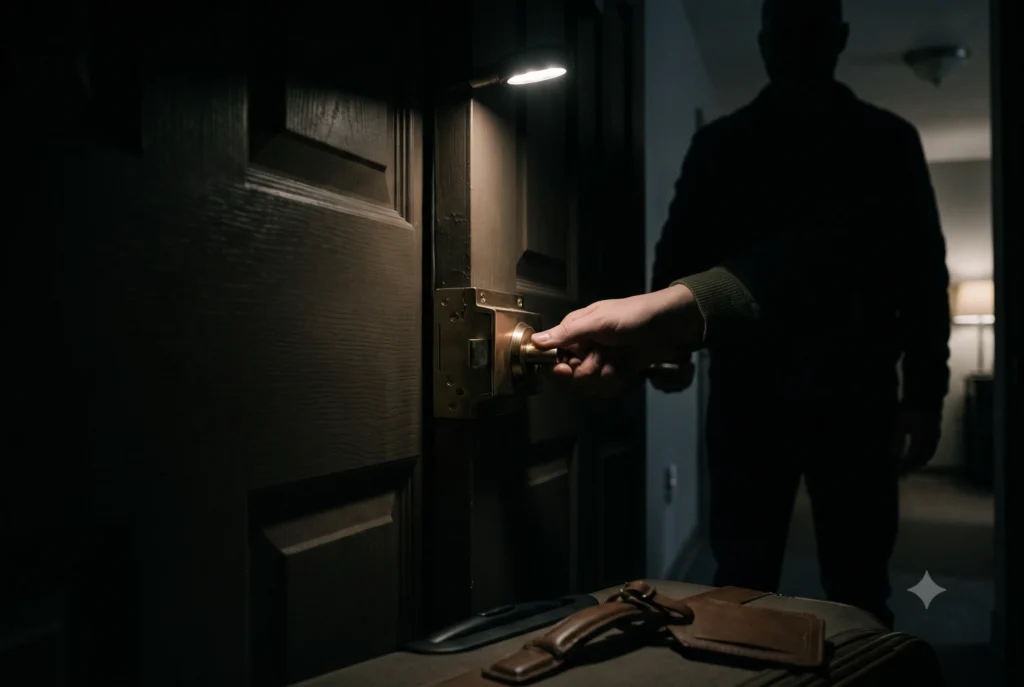
Make sure that if you have to cohabitate for any period of time after deciding to divorce, sleep with a good lock on your door.  Domestic violence is most likely to happen during this period, before you’ve fully separated.  It’s not worth the risk. If the narcissist tries to break down the door, immediately call 911, so there will be a record of this behavior.  A witness is necessary.  Otherwise, if there isn’t concrete evidence (like a recording, an email, or a third party reference), it didn’t happen according to family court.

Part 3: Advice and Techniques for Understanding and Coping with the Narcissist in Your Life
Sara Sloan, LMFT, CST, IRT contributed to Mind Body Green’s article, “How to Deal with the Narcissist in your Life, According to Experts,” originally published on October 20th, 2024. Below is Sloan’s content and article summary.

Narcissistic relationships in the devaluation phase can end at any moment.  So, the best thing you can do is to begin to create a safety net for yourself for when the end occurs.  The more you can educate yourself on narcissism, the easier it will be to understand what will come next, as well as what you’ve been through.

Unfortunately, the narcissist often has a sixth sense for when you’re done.  Sometimes they will lean back into the love bombing stage in order to pull you back into the relationship.  So, if you’d been begging them to take a trip, they’ll book a romantic vacation to Tahiti.  If you’ve been begging them for intimacy, you’ll suddenly be having sex again every night.  If they catch on that you’re out, they’ll do anything to reel you back in.

Once they feel unstable, though, many narcissists will begin to plan their exit at your expense.  Narcissists are unable to be alone, so they will get on the dating apps without telling you.  Sometimes you’ll learn that the narcissist has been cheating throughout the entire relationship, which is often the case, even though they will tell you otherwise. Narcissists need supply and you will never be enough, because no one will be enough to fill the empty hole inside them.

Usually, the narcissist will begin a smear campaign against you, before you know what’s happening. They will employ people close to you to keep tabs on what you’re doing, which we often refer to as “Flying Monkeys.”  They will talk to your friends, their friends, anyone they worry about their opinion, to make sure their story is the dominant one.  Many will cry crocodile tears to others and blame their behavior on you.  So if they were the one that cheated, they will accuse you of being the cheater.

Once they begin their attack, the best thing you can do is grey rock.  Grey rocking means going flat, showing no emotion, saying as few words as possible.  The feed on the emotions they create, so don’t give it to them. Remember, never feed the emotional vampires!

If you have shared housing with the narcissist, make sure you have a place to stay and escape to, if things get bad. Once things are over, you’ll often see a side of the narcissist that you’ve never encountered.  That alone can be so startling, it often makes you question yourself, which is exactly what they want.

If you’ve been sharing a bank account, make sure you open one in your name, and get a credit card of your own.  It’s also important to run a credit check, because oftentimes narcissists may have opened cards in your name.

Make sure you explain to your friends and family what’s been going on.  Don’t feel ashamed, narcissists can trick even the best therapists when they put on their charm.  You were chosen by the narcissist because of how amazing you are, so don’t allow the narcissist to make you question your value.

The best thing you can do once you realize you’re with a narcissist is to prepare to leave by gettin your finances in order, letting your support circle know what’s going on, and finding a therapist skilled in narcissistic abuse recovery.


How Couples Can Reconnect Again After An Affair

If you choose to stay together, how do you recover and come out stronger?

The Gottman Method, a popular research-based approach to couples therapy, breaks down the process of how to reconnect after an affair into three main steps: atonement, attunement, and attachment.

Step 1: Atone.

First and foremost, the cheater must express regret and remorse. According to the Gottman Method, it’s necessary for the cheater accept the blame. “Atonement cannot occur if the cheater insists that the victim take partial blame for the affair,” writes John Gottman, psychologist and co-founder of the Gottman Institute, in his book What Makes Love Last?

During this same process, the cheater needs to become more aware of their needs and vulnerabilities. Oftentimes the affair occurs as a way for the cheater to meet their unrecognized needs.

In the book, Gottman also recommends that those desiring to continue in a monogamous relationship establish the “no second chance” rule, which creates a huge disincentive for cheating again. This helps to give the victim back some of their power.

It’s important to decide what you’re comfortable with going forward and to establish firm boundaries that make your relationship a safe place for both partners.

Step 2: Attune.

In the second phase, partners begin to make each other a priority again. At this point, both partners can look at reestablishing what they want in a relationship and in each other.

Recognizing the roots of the problem.

Relationship expert Rachel Madorsky, LCSW, explains that once you’ve decided to move forward together, “it’s important that both people begin to look at how they co-created the relationship and subsequently the affair. Once you’ve done this, miracles begin to take place.”

The idea isn’t to blame the person who experienced the betrayal but rather to examine the problems that happened between the two people in the relationship that preceded the affair since it’s easy to allow the affair to eclipse all else that happened prior to it.

“Cheaters are not necessarily looking for someone else; they are looking to become someone else,” Dr. Tammy Nelson, psychotherapist, board-certified sexologist, and author of When You’re the One Who Cheatswrites at mbg. “A person may be cheating because they like who they are when they’re with their affair partner. They might feel sexier, smarter, more charming, and more alive when they cheat. With their spouse at home, they might feel invisible, dull, boring, or old. An affair can counteract a person’s negative self-talk, through no fault of their partner.”

The events and context that led up to an affair don’t excuse the cheating, but they do offer clarity as to why it happened—and a path forward toward healing for both parties.

Rebuilding trust.

With that in mind, an important part of the attunement phase is each person regaining trust and unconditional positive regard for the other. Harville Hendrix, relationship psychologist and creator of Imago Relationships Therapy (another popular couples therapy method), recommends one great exercise for rebuilding trust in his book Getting the Love You Want: Each person writes down 20 small acts of kindness they would like their partner to do for them. These can include giving small gifts such as flowers, writing love notes, spending quality time together making breakfast, trying a new restaurant, or cuddling in bed on a Sunday. Once each person has their wish list, they exchange them and attempt to perform one of these acts a day for their partner. Over time, these acts of kindness help couples to rebuild rapport and trust. Slowly they can begin to appreciate and enjoy each other again, even it feels forced in the beginning.

For the person who was cheated on, Madorsky says that learning to trust your partner again can be difficult, but it can also be empowering: “When you don’t own how much power you have in your life, you’re left to feel like a victim. It actually feels better to trust than not to trust. So as long each partner is committed and taking positive action, consider giving yourself the gift of trusting again.”

Avoiding antagonism.

As you begin rebuilding your relationship during this phase, David Ley, Ph.D., psychologist and author of Insatiable Wives: Women Who Cheat and the Men Who Love Them, stresses the importance of avoiding online discussion groups about cheating. “Like the rest of the Internet, they tend to be filled with angry, toxic people who are gleeful when your relationship ends in the same flames of rage that torched their own,” he writes.

He also warns against lie detector tests: “There is unfortunately a steady business out there that promotes the idea that ‘this is only way you’ll ever really be able to trust your partner again.’ Those tests are invalid and merely breed greater antagonism and one-sided coercion.”

Rather than focusing on the negative aspects of the affair, Ley says it’s better to shift your focus onto the good times you’ve shared in the past and all the new ones you’ll find together in the future.

NOTE:  Sara originally wrote this article for Mind Body Green.  You can see it here.

Step 3: Attach.

Once you’ve begun to feel positive toward your partner again, you can begin to work toward the future and regaining your intimate connection. Because healthy sex is based on a strong emotional connection, you want to get to know your partner again only after attunement has taken place.

“It’s important to remember that recovering from infidelity requires us to be able to understand and recognize our own sexual and intimacy needs, and to communicate them to our partner, listening to them, and respecting them as they do the same to us,” Dr. Ley writes.

One exercise that works to help develop and deepen emotional intimacy involves answering that popular series of questions developed by Dr. Arthur Aron and prominently featured in the New York Times‘ Modern Love section. By taking a romantic evening and answering these questions together, you reacquaint yourself with who your partner has become. This exercise can be particularly powerful for couples that have been together for many years.

(If you want more ideas, here are five other ways to connect with your partner again.)

Having fun.

While working through these steps of recovery, it’s also important to continue having fun. “It’s OK to compartmentalize the affair during this process and have fun together, as long as you’re committed to handling the issues,” Madorsky says. “In fact, by having fun together, you can begin to heal more quickly.”

The future.

Once you’ve achieved the three steps of atonement, attunement, and attachment, you can begin moving forward on looking toward your future.

In his book The Seven Principles for Making Marriage Work, Gottman outlines the Sound Relationship House theory, which features seven relationship “levels.” The top two layers, accessible only after moving through and managing conflicts like affairs, are “making life dreams come true” and “creating shared meaning.” During this period of meaning-making, couples can begin to determine what they want to be important to them as a couple moving forward. For instance, your shared goals might include international travel, creating a business together, or starting a family. You might want to begin by planning a vacation, giving yourselves something to look forward to and enjoy, and continue building from there.

For couples who’ve suffered from an affair, making plans for a future together is the ultimate marker of reconnection. It takes time to get to that place, but if you slowly and intentionally move through each stage of the recovery process, you can access this place of union and commitment once again.

Research Shows Narcissistic Abusers Think the Same as Pedophiles

Don Hennessy is a therapist and domestic violence (DV) specialist, who has studied abusive men and their victims for almost …

When Desire No Longer Exists, but You Really Want It to …

Desire can be an illusive thing sometimes in a relationship/marriage.  You  may want to be intimate, but that doesn’t …

Neurodiverse Couples Therapy

New research in the last six months disproves past assumptions that neurodiverse people have difficulty communicating.  …